One device. Six layers of impact.
AquaPress is not just a trash can. It is a lever that moves the entire waste management system. When you compress garbage at the source, the effects ripple outward through buildings, trucks, facilities, and landfills.
Seeing the whole picture, not just the parts.
Systems thinking is a way of understanding how things connect. Instead of looking at a problem in isolation, you trace how one change affects everything around it. AquaPress was designed with this mindset from the start.
Follow the impact from your foot to the landfill.
The User
You press the pedal. Garbage compresses. The bin takes five times longer to fill. You take out the trash less often, saving time and effort every single week.
The Building
Fewer full bins mean fewer dumpster runs. Building managers spend less on pickup contracts. The loading dock stays cleaner because overflow stops happening.
The Collection Route
When buildings produce denser, less frequent loads, trucks make fewer stops. Fuel usage drops. Routes become more efficient. The whole fleet does more with less.
The Transfer Station
Compacted waste arrives already dense. Sorting becomes easier because loose debris is reduced. The facility processes more material in the same amount of time.
The Landfill
Less volume means less space consumed. Compacted waste settles better, reducing voids that cause instability. The landfill lifespan extends without any additional engineering.
The Economy
Lower collection costs, lower fuel costs, lower tipping fees. Savings compound at every stage. Money that used to go to waste management can now go elsewhere.
How small actions create big changes.
In systems thinking, a feedback loop is when the result of an action comes back to influence the next action. AquaPress creates positive feedback loops that reinforce good outcomes.
The Behavior Loop
When people see that pressing the pedal actually works, they do it more. The more they do it, the less often the bin fills. The less often the bin fills, the more they trust the system. Trust leads to consistent use, and consistent use leads to maximum savings.
The Cost Loop
Lower pickup frequency means lower bills. Lower bills mean the device pays for itself. Once the device pays for itself, the savings become pure gain. That gain can fund more devices, spreading the effect further.
The Environmental Loop
Less truck traffic means fewer emissions. Fewer emissions mean cleaner air. Cleaner air creates public support for sustainable solutions. Public support drives adoption of products like AquaPress, which then reduces truck traffic even more.
Where a small push creates the biggest movement.
Source Reduction
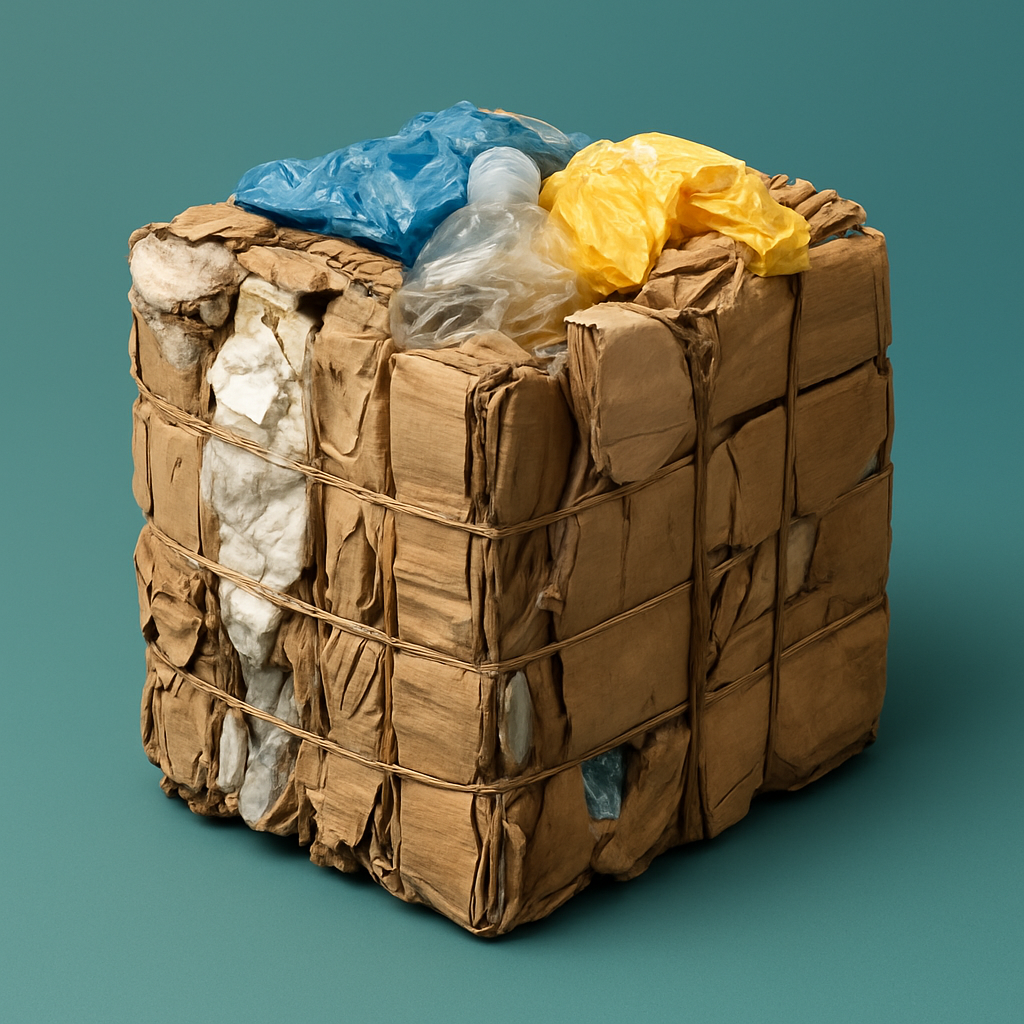
Compacting waste where it is created prevents downstream problems before they start. This is far more effective than trying to fix issues at the landfill or transfer station.
Behavior Design
Making compression easy, even enjoyable, changes how people interact with waste. A foot pedal is intuitive. There is no learning curve. The action becomes automatic.
Economic Incentives
When saving money and saving the environment align, adoption accelerates. AquaPress does not ask users to sacrifice. It rewards them financially for doing the right thing.
AquaPress is infrastructure.
We are not selling a gadget. We are building the first layer of a smarter waste system. Every unit deployed is a node in a network that makes the whole system more efficient.
Think in systems. Act with precision.
See how the AquaPress blueprint turns these ideas into physical engineering.